The 'Resistance' That Held Lebanon Hostage
On March 3rd, Lebanon banned the word "resistance" for Hezbollah. Here's why it took 40 years.

I grew up hearing the word "resistance" spoken with reverence. In Lebanon, Hezbollah built its entire identity on the claim that it exists to protect the country. From Israel, from external threats, from anyone who might challenge Lebanese sovereignty. For decades, that narrative worked. It worked well enough that questioning it in public could get you killed.
But narratives need facts to survive. This one doesn't have them.
On March 2nd, Lebanon's government did something that would have been unthinkable even two years ago. Prime Minister Nawaf Salam stood before the nation and announced a total ban on Hezbollah's military activities. This is not a polite request → This is a ban. He declared that the decision of war and peace rests exclusively with the Lebanese state, not with a militia acting on orders from Tehran.
This matters. And it matters that most people outside Lebanon have no idea why.
A ‘Resistance’ Against Its Own People
For over 40 years, Hezbollah told the Lebanese people: we are your shield. The reality was different.
When Lebanese citizens took to the streets in October 2019, demanding an end to corruption and a functioning government, Hezbollah's supporters attacked the protesters. When the Beirut port explosion killed over 200 people and destroyed half the city in August 2020, Hezbollah blocked the investigation before it could reach its conclusions. When the country's economy collapsed, wiping out the savings of an entire generation, Hezbollah and its allies, along with much of the ruling class, obstructed the reforms that international lenders required for a rescue package.
This is not resistance. This is a hostage situation.
For years, Hezbollah wielded what’s called the “blocking third” in Lebanon’s cabinet. This is just enough ministers to veto any government decision. It didn’t need to win elections. It just needed enough seats to paralyse the state. When it couldn’t get its way through parliament, it resorted to assassinations, boycotts backed by the implicit threat of armed force, and the obstruction of government formation for months, sometimes years, at a time.
What Changed
What’s different now? Several things converged.
Hezbollah’s military infrastructure was severely degraded in the 2024 war with Israel. The fall of the Assad regime in Syria severed a critical supply line and a decades-long strategic alliance. Iran’s own position has been dramatically weakened. And in January 2025, Lebanon elected a new president, Joseph Aoun, and a new prime minister, Nawaf Salam, both seen as a direct rebuke of Hezbollah’s political dominance.
For the first time in Lebanon’s modern history, a government formed without Hezbollah’s approval. Salam’s technocratic cabinet was assembled in record time, three weeks instead of the usual months of paralysis. The “blocking third” that Hezbollah relied on for decades was gone.
And when Hezbollah launched rockets at Israel on March 2nd, without state authorisation, dragging the entire country into a war it didn’t choose, the government’s response was unambiguous: ban all military activity, demand the surrender of weapons, restrict Hezbollah to political participation only.
Hezbollah’s response? It called the ban unjustified and attacked Israel again the next day.
This tells you everything you need to know about whose interests the “resistance” serves.
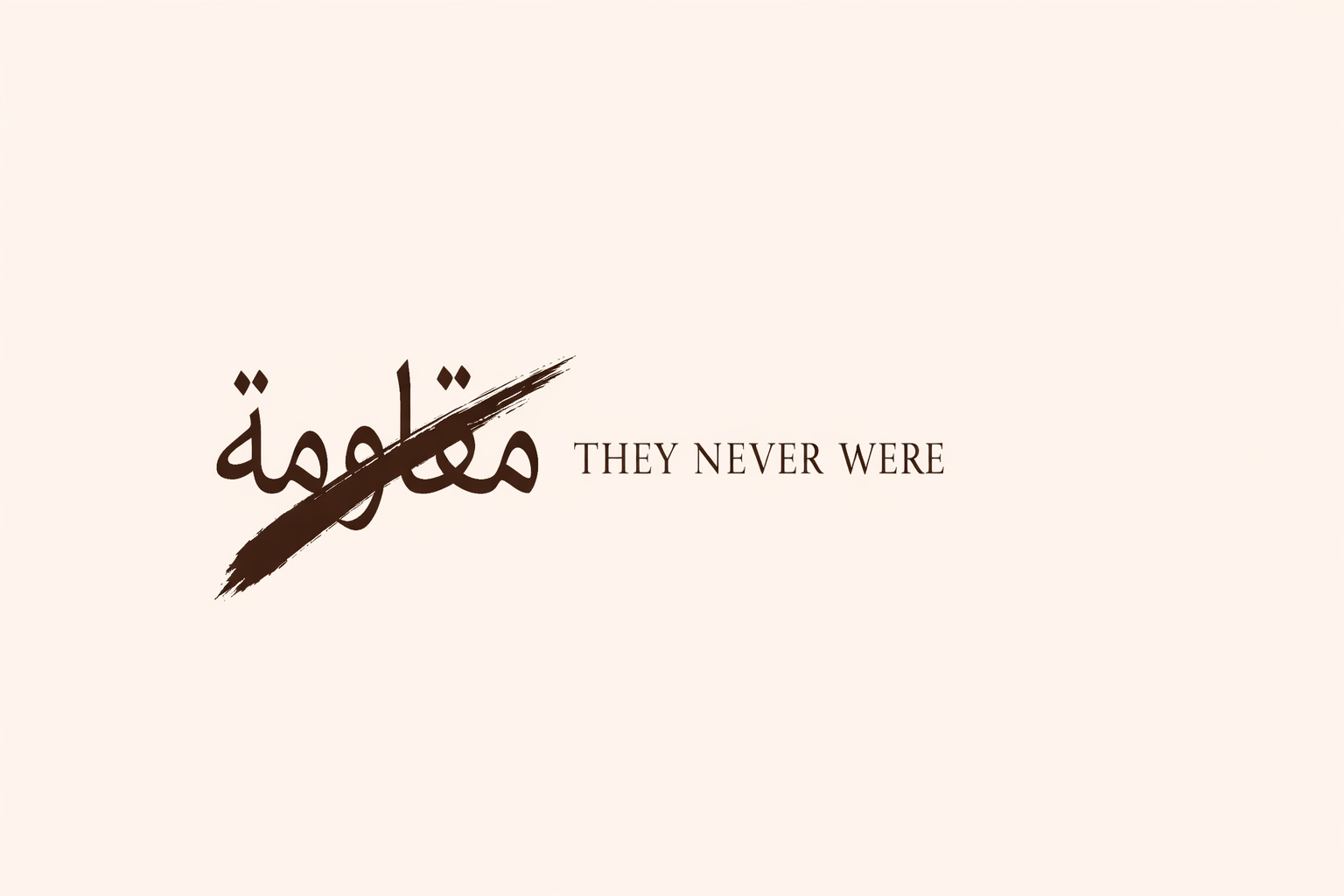
The Word They Banned
On March 3rd, Lebanon’s Minister of Information Paul Morkos ordered all Lebanese media, television, radio, and the national news agency, to stop using the word “resistance” when referring to Hezbollah.
After 40 years, the word that made them untouchable was officially removed.
They are not the resistance. They never were.